Showing posts with label pipeline. Show all posts

Monday, 28 October 2024

Cold Pipe Cutting Machines: Precision and Efficiency RedefinedThe cold pipe cutting machine has emerged as an indispensable tool across various industries. Its ability to deliver clean, precise cuts without generating heat or sparks has transformed traditional pipe cutting methods. How Cold Pipe Cutting Machines Work Unlike conventional methods that rely on heat or force, cold cutting services employ a high-speed rotating cutting wheel. This innovative approach ensures efficient and accurate cuts across a wide range of pipe materials and diameters. Advantages of Cold Pipe Cutting Enhanced Safety: Eliminates the need for hot work permits, mitigating fire hazards. Superior Precision: Produces clean, burr-free cuts, improving overall project quality. Increased Efficiency: Reduces labor costs and project timelines. Versatility: Compatible with various pipe materials and sizes. Portability: Many models are compact and easy to maneuver. Applications of Cold Pipe Cutting Cold pipe cutting machines find extensive use in: Construction Plumbing HVAC systems Shipbuilding Oil and gas industries Selecting the Right Machine Choosing the appropriate cold pipe cutting and beveling machine requires careful consideration of factors such as: Pipe diameter range Power source (electric, hydraulic, or pneumatic) Portability Cutting capacity Safety features Safety Considerations Operator safety is paramount. Always adhere to the manufacturer's guidelines and wear appropriate protective equipment, including gloves, eye protection, and hearing protection. By understanding the benefits and applications of cold pipe cutting machines, professionals can make informed decisions to optimize their operations and enhance project outcomes. Cold cutting machine prices can vary according to the application. While the initial investment in a cold cutting machine might seem substantial, the long-term benefits often outweigh the cost.


The cold pipe cutting machine has emerged as an indispensable tool across various industries. Its ability to deliver clean, precise cuts without generating heat or sparks has transformed traditional pipe cutting methods.

How Cold Pipe Cutting Machines Work

Unlike conventional methods that rely on heat or force, cold cutting services employ a high-speed rotating cutting wheel. This innovative approach ensures efficient and accurate cuts across a wide range of pipe materials and diameters.

Advantages of Cold Pipe Cutting

  • Enhanced Safety: Eliminates the need for hot work permits, mitigating fire hazards.
  • Superior Precision: Produces clean, burr-free cuts, improving overall project quality.
  • Increased Efficiency: Reduces labor costs and project timelines.
  • Versatility: Compatible with various pipe materials and sizes.
  • Portability: Many models are compact and easy to maneuver.

Applications of Cold Pipe Cutting

Cold pipe cutting machines find extensive use in:

  • Construction
  • Plumbing
  • HVAC systems
  • Shipbuilding
  • Oil and gas industries

Selecting the Right Machine

Choosing the appropriate cold pipe cutting and beveling machine requires careful consideration of factors such as:

  • Pipe diameter range
  • Power source (electric, hydraulic, or pneumatic)
  • Portability
  • Cutting capacity
  • Safety features

Safety Considerations

Operator safety is paramount. Always adhere to the manufacturer's guidelines and wear appropriate protective equipment, including gloves, eye protection, and hearing protection.

By understanding the benefits and applications of cold pipe cutting machines, professionals can make informed decisions to optimize their operations and enhance project outcomes.

Cold cutting machine prices can vary according to the application. While the initial investment in a cold cutting machine might seem substantial, the long-term benefits often outweigh the cost.

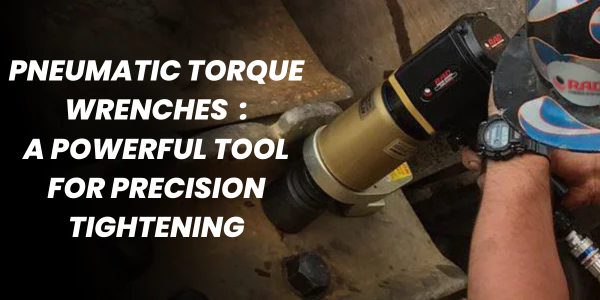
Pneumatic Torque Wrenches: A Powerful Tool for Precision Tightening


Pneumatic torque wrenches are essential tools in industries where precise and efficient tightening of bolts is critical. These wrenches utilize compressed air as their power source, providing a reliable and adjustable means of applying torque to bolts.

How Pneumatic Torque Wrenches Work

A pneumatic torque wrench consists of a pneumatic motor, a gear reduction system, and a torque reaction mechanism. When compressed air is supplied to the motor, it rotates a gear train that drives a reaction arm. The reaction arm is connected to a torque sensor, which measures the force exerted on the bolt. Once the desired torque setting is reached, the wrench automatically shuts off, preventing over-tightening.

Key Advantages of Pneumatic Torque Wrenches

  • High Power Output: Pneumatic torque wrenches can deliver significant torque, making them suitable for heavy-duty applications.
  • Versatility: They can be used in various industries, including automotive, aerospace, manufacturing, and construction.
  • Precision: With proper calibration, pneumatic torque wrenches can achieve high levels of accuracy in torque application.
  • Efficiency: They are fast and efficient, reducing assembly time and improving productivity.
  • Durability: Pneumatic wrenches are generally durable and reliable, with long service life.

Applications of Pneumatic Torque Wrenches

  • Automotive Assembly: Tightening wheel nuts, engine bolts, and other critical components.
  • Aerospace Manufacturing: Assembling aircraft structures and components.
  • Industrial Machinery: Installing and maintaining machinery components.
  • Construction: Securing structural components and equipment.

Choosing the Right Pneumatic Torque Wrench

When selecting a pneumatic torque wrench, consider the following factors:

  • Torque Range: Choose a wrench with a torque range that suits your specific applications.
  • Accuracy: Ensure the wrench has the required accuracy level for your tasks.
  • Air Consumption: Consider the air consumption rate to determine if your air compressor can provide sufficient supply.
  • Ergonomics: Choose a wrench with a comfortable grip and ergonomic design for operator comfort.

Safety Considerations

  • Proper Training: Operators should be trained in the safe and proper use of pneumatic torque wrenches.
  • Regular Maintenance: Regular maintenance, including lubrication and calibration, is essential for optimal performance and safety.
  • Safety Equipment: Wear appropriate safety equipment, such as safety glasses and gloves, when using pneumatic torque wrenches.

Pneumatic torque wrenches are indispensable tools for industries that require precise and efficient bolt tightening. By understanding their operation, advantages, and applications, you can select the right wrench for your specific needs and ensure safe and reliable performance.

How to Use a Hydraulic Flange Spreader Safely and Efficiently


Hydraulic flange spreaders are essential tools used in many industries, particularly in oil and gas, petrochemicals, and power generation. These tools help safely separate flanges during maintenance or inspections, ensuring minimal risk of injury or damage. However, using a hydraulic flange spreader requires careful attention to safety and technique to achieve efficient results. In this blog, we will walk you through the best practices for using a hydraulic flange spreader safely and efficiently.

Step 1: Preparing the Workspace

Before using the hydraulic flange spreader, it is critical to ensure the workspace is safe and well-prepared. Proper preparation minimizes risks and makes the process smoother.

  • Isolate the Flange: Before starting, make sure the flange is depressurized and isolated from the rest of the system. Double-check that there are no active fluids or gases in the line.
  • Clean the Area: Remove any dirt, debris, or moisture from the workspace and flange surfaces. This will improve visibility and reduce slipping hazards.
  • Wear Proper PPE: Safety goggles, gloves, and steel-toe boots are necessary when working with hydraulic tools. Ensure all team members are wearing the appropriate personal protective equipment (PPE).

Step 2: Selecting the Right Flange Spreader

Choosing the correct hydraulic flange spreader is crucial for efficiency and safety.

  • Assess Flange Size: Ensure the spreader is suited for the size and type of flange you’re working with. The wrong tool size can either damage the flange or fail to provide sufficient spreading force.
  • Confirm Spread Distance: Determine the required spread distance based on the job specifications and select a tool that can deliver that range.
  • Match the Force Requirement: Check that the hydraulic flange spreader’s force capacity is adequate for the application. Underpowered tools can be ineffective, while overpowered tools might cause damage.

Step 3: Inspect the Tool

Inspecting the tool before use ensures that it is safe to operate.

  • Check for Damage: Look for visible signs of wear or damage on the hydraulic tool, such as cracks, worn seals, or bent components. If the tool is compromised, do not use it.
  • Ensure Proper Hydraulic Function: Test the hydraulic pump and hoses to verify there are no leaks or pressure issues. Proper pressure and lubrication are vital for smooth tool operation.
  • Ensure Compatibility: Make sure the spreader jaws align correctly with the flange gap, and that the hydraulic pressure gauge reads correctly when the tool is in use.

Step 4: Position the Hydraulic Flange Spreader

Proper positioning is critical for the safe and efficient use of the tool.

  • Align the Spreader: Position the flange spreader’s jaws into the flange gap, ensuring they are securely seated in place. The tool should sit squarely on the flange surface to prevent slippage during the spreading process.
  • Insert Spreaders Symmetrically: In cases where multiple flange spreaders are used, place them symmetrically on opposite sides of the flange to distribute the force evenly.

Step 5: Operate the Hydraulic Flange Spreader

Follow these steps to safely operate the hydraulic spreader.

  • Apply Hydraulic Pressure: Slowly engage the hydraulic pump to apply pressure and begin spreading the flange. Monitor the pressure gauge and spreader jaws for any signs of slippage or misalignment.
  • Maintain Control: As the flange spreads, keep a steady hand on the controls, and avoid over-pressurizing the tool. If you feel excessive resistance or hear unusual noises, stop immediately and reassess the setup.
  • Observe the Flange Separation: Check for even separation on both sides of the flange. This ensures a smooth and safe spreading process without uneven pressure, which could damage the flange or bolts.

Step 6: Monitor Safety Throughout the Process

While using the hydraulic flange spreader, safety must be your top priority.

  • Watch for Hazards: Always keep an eye out for potential hazards such as pinched fingers, flange misalignment, or loose bolts that could cause the spreader to slip or shift unexpectedly.
  • Communicate with Team Members: Ensure that all personnel involved in the operation are aware of each step and maintain clear communication. This minimizes the chance of accidents.

Step 7: Releasing and Completing the Job

Once the flange is sufficiently spread, take the proper steps to finish the process.

  • Gradually Release Pressure: After completing the separation, slowly release hydraulic pressure to ensure a controlled lowering of the flange spreader.
  • Remove the Tool Safely: Remove the spreader with care, ensuring no sudden movements or pressure release that could lead to injury.
  • Inspect the Flange: After spreading the flange, inspect it for any signs of damage or misalignment before proceeding with the intended work, such as gasket replacement or inspection.

Final Thoughts

Using a hydraulic flange spreader safely and efficiently requires careful attention to detail, from preparation through to execution. By following these steps, you can ensure that the tool is used correctly, maximizing safety and productivity. Hydraulic flange spreaders are invaluable tools, but their safe operation hinges on proper training, attention to detail, and a commitment to workplace safety.

Whether you're working in the oil and gas, petrochemical, or power industry, adhering to these best practices will help you get the job done quickly and safely.

Need more information or tools for your next project? Contact us today at +91-8282829795/marketing@absgroup.in for expert advice and solutions tailored to your bolting and flange management needs!

Thursday, 7 January 2016

Impact Wrenches - How to Choose the Right Tool

Impact wrenches are powered socket tools, powered by compressed air or electricity, they are one of the most common and useful tools in both the professional, and serious amateur workshop. Impact wrenches work by spinning a "hammer" to a high speed, and then suddenly engaging the socket, to deliver a sudden burst of torque. While electric (both mains and cordless) and hydraulic models are available, it is the air impact wrench which is by far the most popular.


Air impact wrenches are by far the most popular of all air tools, and if you're doing any serious amount of automotive work you'll definitely want one. Before you rush out and make a purchase however, there are a couple of considerations - power source, and socket size. Power source will depend on your budget, and what tools you already have. Socket size will depend on the type of work you're doing.


As already mentioned, air impact wrenches are by far the most popular, but that doesn't mean they are your only choice. While they are relatively inexpensive, and offer good power, they do need a compressor as a power source. Unless you already have a suitable compressor that will add a considerable amount to the cost of the tool. If you don't have a suitable compressor, and are doing only occasional or light automotive work (such as in a home workshop) then an electric or cordless wrench is probably a better bet. These days the cordless wrenches are more than capable of light work, and are reasonably priced.


Your other main choice will be socket size. Most impact wrenches are available in sizes from 1/4" to 2" and even larger. For the home workshop a 1/2" is usually sufficient, with a 1" drive being more suitable if you're working on SUVs or light commercial vehicles. If you're working on big rigs then a 2" drive might be needed. Larger than 2" is normally only used for industrial purposes.

There is one other choice to me made, and that is style. The smallest wrenches are shaped like a screwdriver, but they are only capable of delivering low torque. Most 1/2" wrenches are of the "pistol grip" variety, shaped like an electric hand drill. As you move up to heavier duty tools you'll start to come across D and T grips which allow for a much firmer hold, and so much higher torque levels.

Advantage

 Few Advantage of Impact Wrench are as following-

1 Exclusive Through-bolt Construction Reduces Replacement Costs

Steel front/motor housing/handle are clamped together by four high-strength steel bolts. This exclusive feature provides better tool performance and eliminates stripped threads and loose inserts in motor housing.

2 Positive Oil-foam Lubrication System Reduces Major Cause of Impact Wrench Maintenance

Impact Wrenches feature a unique oil-foam bath that provides positive lubrication for the hammer, anvil and other working parts.
The system is designed so that if the impact mechanism runs low on oil, the tool will stop running which eliminates one of the major causes of impact wrench failure: lubrication. By simply refilling the oil reservoir, the tool can be returned to service.

3 Patented Heavy Duty Telescoping Impact Mechanism

The smooth-hitting telescopic impact mechanism is patented and has only three major parts: hammer, anvil, and rotor. These combine to provide power directly to the fastener. The hammer is splined ot the inside of the motor, which then impacts directly on the anvil and delivers more power per blow while also reducing weight and shock to the operator.

4 Patented Positive Lock Socket Retainer

With a variety of shut-off and non shut-off pulse tools to choose from you're sure to find just the right pulse tool for your job.
The correct style for you will depend on the type of work you'll be doing, so take that into consideration when making a purchase.